

University of Potsdam – Institute of Environmental Science and Geography – Landscape Ecology
The Landscape Ecology Group within the Institute of Environmental Science and Geography conducts research on the structure and functioning of ecological communities in human modified andscapes. Research spans multiple levels of biological organisation, from microbial communities to trees, and address a wide range of ecosystems including forests, wetlands, agricultural systems, urban environments, and mountain landscapes. Research focuses on the ecological mechanisms shaping species identity, abundance, and interactions under anthropogenic pressure, integrating quantitative modelling, experimental approaches, and field-based investigations across spatial and temporal scales.
Main research topics and areas of expertise include:
- Community assembly processes in anthropogenic landscapes
- Urban biodiversity and ecological processes
- Bioindication using biological community structure
- Ecosystem restoration and ecological assessment
- Biogeographic drivers of species distributions and diversity
- Forensic applications of microbial biogeography
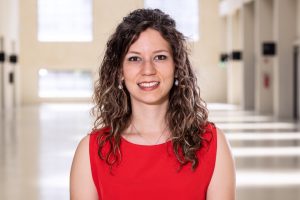
Doctoral candidate – Camilla Bottoni:
Developing machine learning applications for geolocating microbiome samples
Having built expertise in the biological and forensic dimensions of microorganisms during her studies, Camilla developed a strong interest in applying microbiology to forensic science. From Italy to Germany, she is now pursuing her doctoral research to investigate the interactions between microbial communities and their environments across diverse environmental settings, with a particular focus on urban systems. Drawing on principles of microbial biogeography and integrating machine-learning approaches, her project aims to improve and further advance microbe-based geolocation methods.
Through the development of machine-learning–based forensic tools that harness microbial distribution patterns across bacteria, fungi, and protists, she seeks to infer microbiomes geographic origins and enhance source attribution in criminal investigations. By advancing a comprehensive understanding of the biogeography of microorganisms and optimizing and standardizing microbiome analysis methods, her research strengthens the scientific robustness, reliability, and admissibility of microbiome-based evidence in court.